Sponge spicules (also called hydrolyzed sponge) are getting a lot of attention in skincare. They’re basically nature’s own version of microneedles — sometimes called “liquid microneedling.” They’re 100% natural, not synthetic chemicals, but they can actually give you results that come close to what you’d get from in‑office treatments.
What's Sponge Spicules?
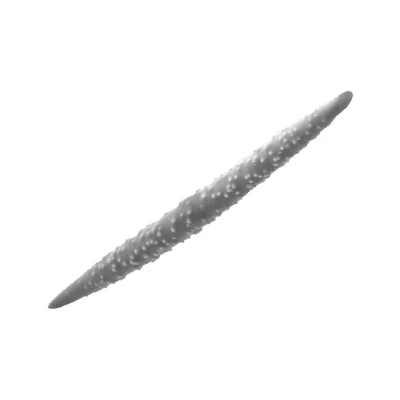
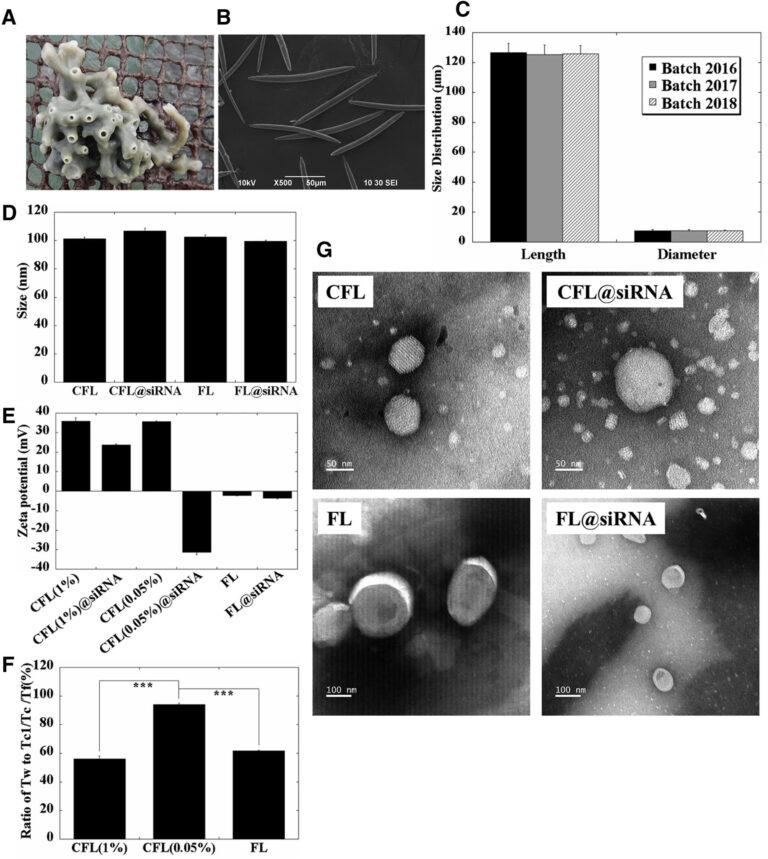
Spicule ( INCI Name: Hydrolyzed Sponge) consists of fine, needle‑like spicules derived from the skeletons of freshwater sponges. Under a microscope, these spicules appear as hollow needles ranging from 80 μm to 350 μm in length, composed primarily of calcium carbonate and silica.

How Sponge Spicule Work?
To understand why hydrolyzed sponge has become such a talked-about ingredient in skincare, we need to dive into the four key mechanisms through which it interacts with the skin.
1. Creating Micro-Channels
When gently applied, sponge spicules create temporary micro-channels in the stratum corneum, allowing follow up ingredients (like hyaluronic acid, vitamin C, peptides, or growth factors) to penetrate deeper and more efficiently into the skin.
2. Activating the Skin’s Repair Response
The micro-channels send a gentle signal that tells the skin to start repairing — better blood flow, activated fibroblasts. Same idea as microneedling, but much gentler.
3. Stimulating Collagen and Elastin Regeneration
That repair signal boosts collagen and elastin — smoothing wrinkles and scars, firming up skin. Studies show visible changes in as little as two weeks.
4. Gentle Physical Exfoliation
On top of that, spicules also gently exfoliate by loosening dead skin cells. This unclogs pores, smooths texture, and brightens your complexion — without the harsh tearing that some scrubs can cause.
What Skin Concerns Can Sponge Spicules Address?
Now that we understand the mechanisms, let’s explore the specific skin concerns that hydrolyzed sponge can help address.
Acne-Prone Skin
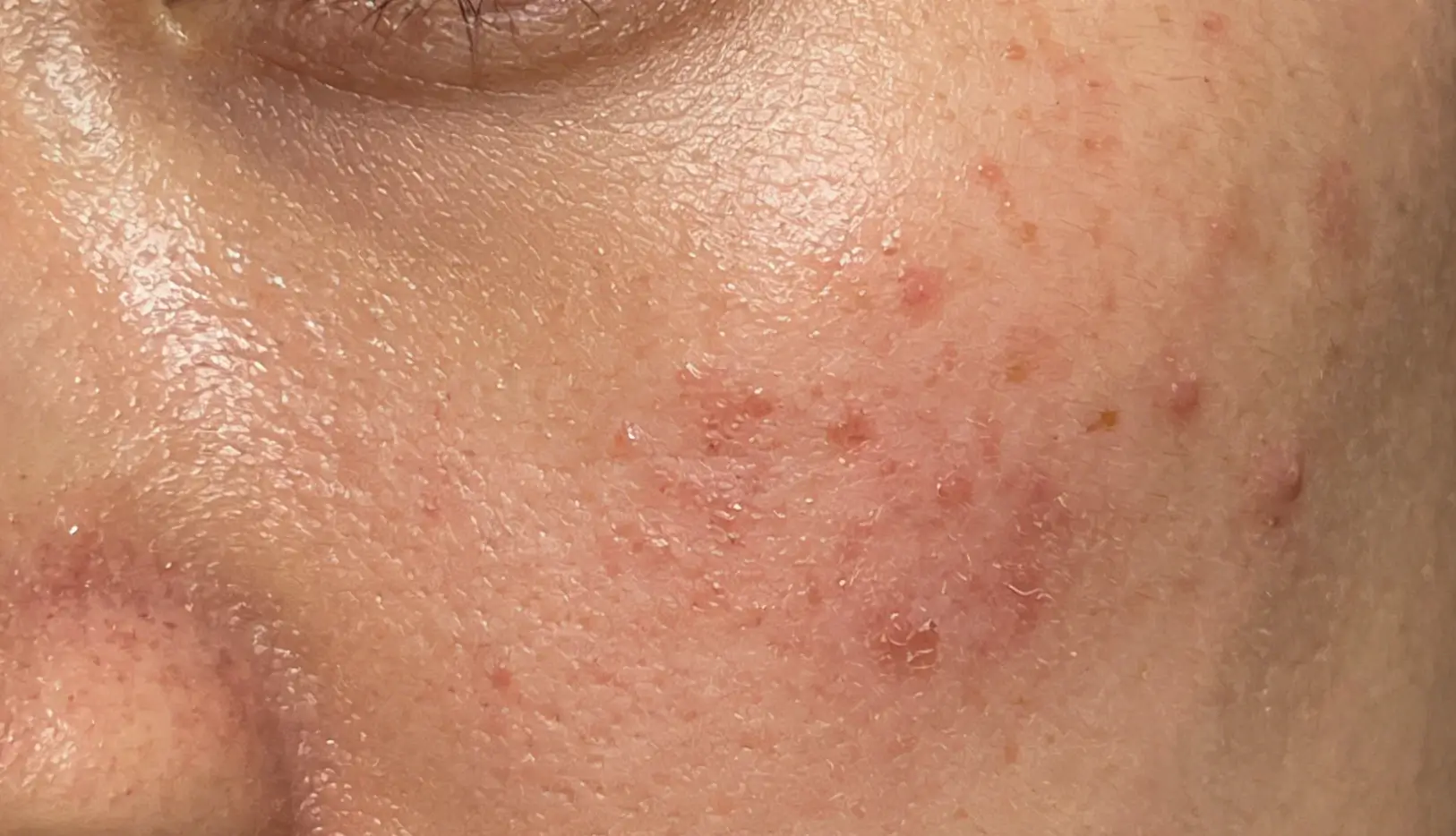
For acne-prone skin, sponge spicules offer dual benefits. They physically open blocked pores to expel sebum and impurities, while their micro-channels allow Salicylic Acid (BHA) —an oil-loving acid—to penetrate deeper and dissolve oil and dead cells. This “physical + chemical” dual-action system tackles root causes of acne, making it particularly effective for closed comedones and inflamed breakouts.
Acne Scars and Texture Repair
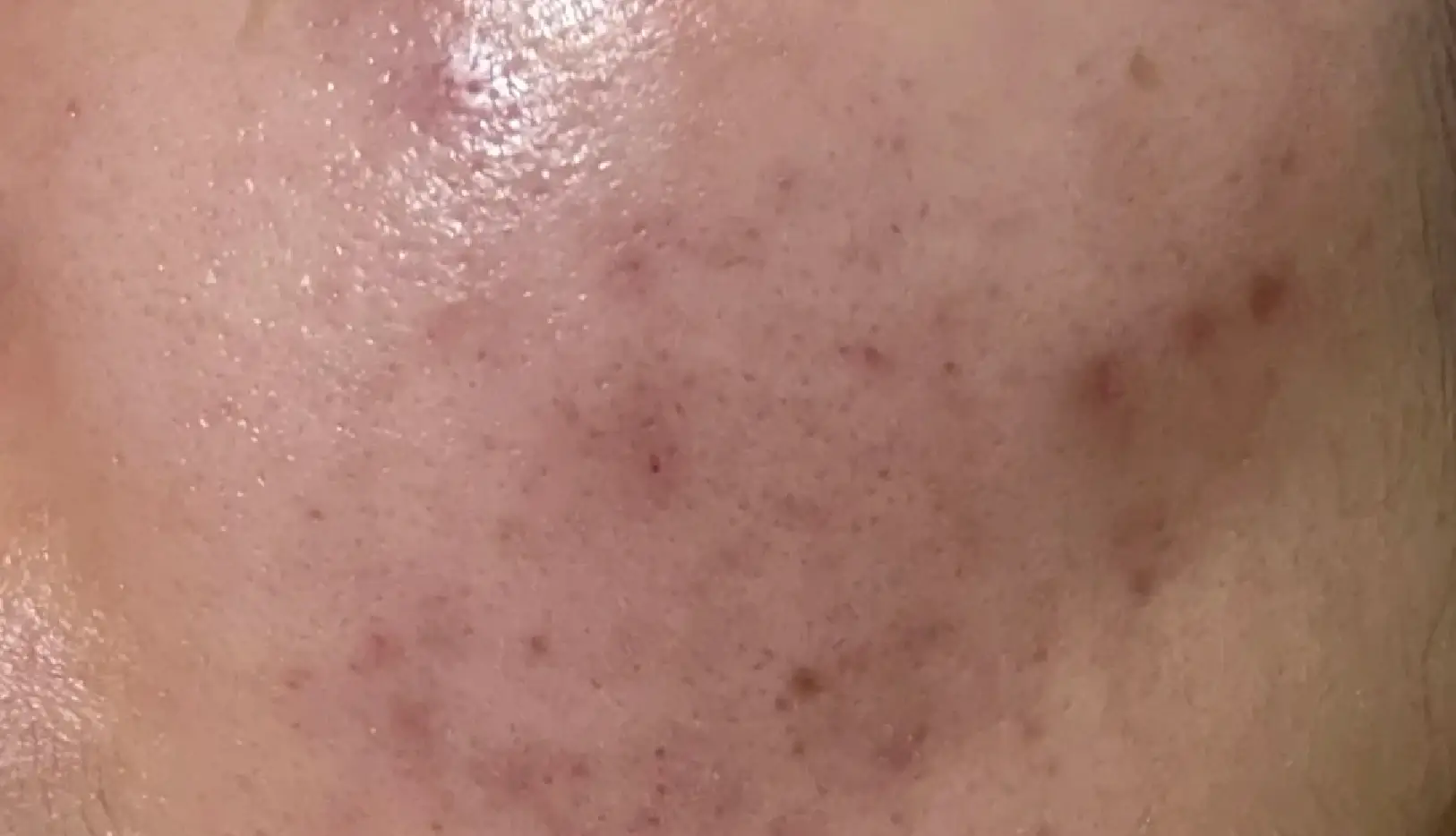
For those with post-acne marks and textural irregularities, the collagen-stimulating properties of spicules offer real hope. Through the micro-injury repair mechanism described earlier, consistent use can help fill in depressed acne scars and smooth out uneven texture . This is similar to the principle of derma-rollers but much gentler, painless, and suitable for at-home use.
Anti-Aging and Skin Rejuvenation
Hydrolyzed sponge delivers well-documented anti-aging benefits through two mechanisms: newly synthesized collagen supports skin structure to reduce fine lines and sagging, while accelerated shedding of pigment-laden cells fades hyperpigmentation, age spots, and dullness.
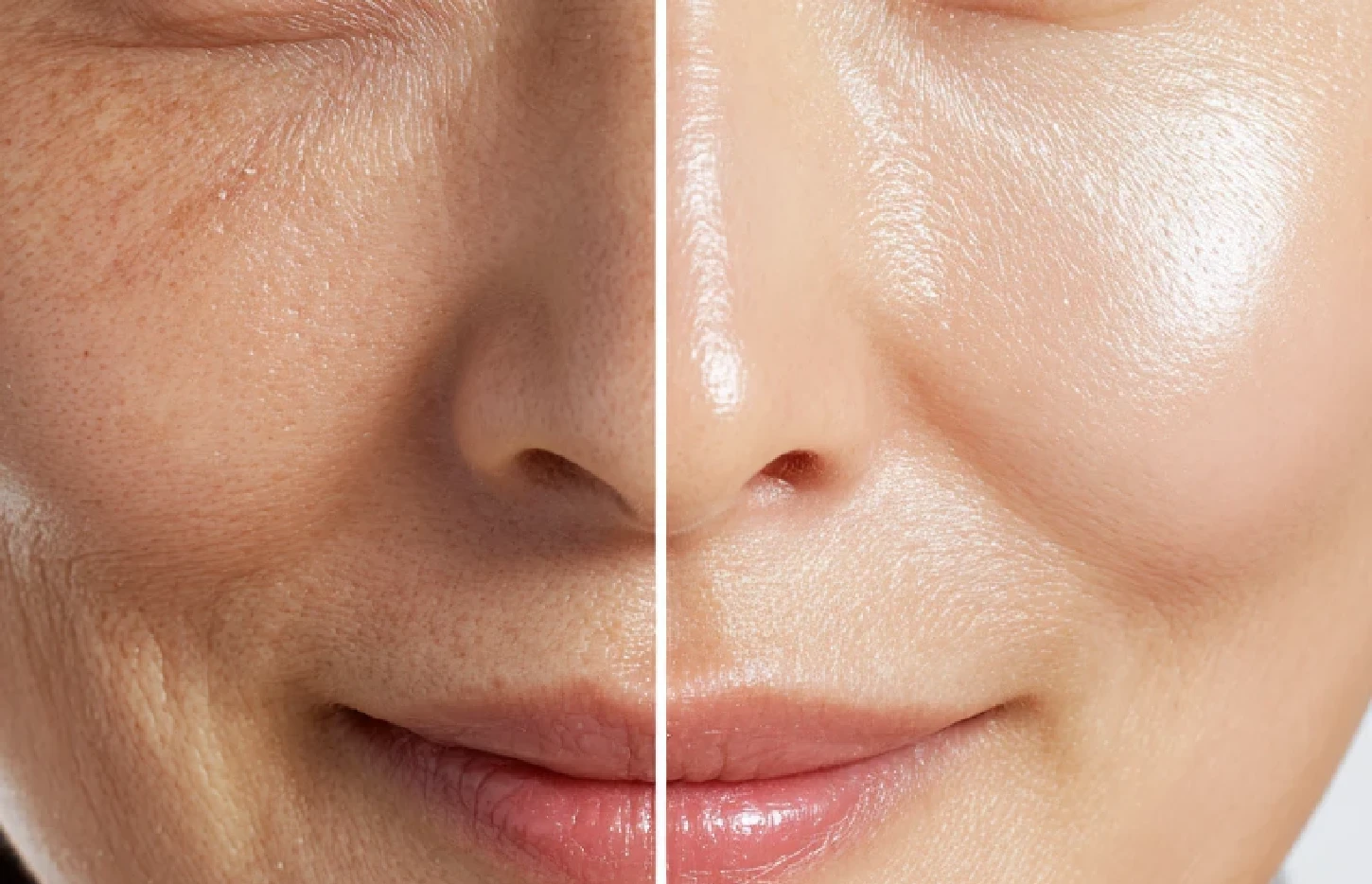
Post-Procedure Recovery and Enhanced Treatment
Sponge spicules are also valuable after professional treatments. The open channels they create allow repair-focused ingredients—such as growth factors, peptides, and stem cell secretomes—to penetrate more deeply and work more effectively, speeding up recovery and strengthening the skin barrier. One study demonstrated that sponge microspicules could enhance the delivery of growth factors by nearly two-fold, leading to decreased melanin content, reduced erythema, and increased skin elasticity and hydration after just 14 days of use .
The Difference of Bio Microneedling & Microneedling
Spicules are the core ingredient of bio microneedles, it’s natural to wonder how “Bio Microneedling” compares to the “Microneedling”. While both approaches help active ingredients absorb more deeply into the skin, they are fundamentally different treatments.
Microneedling is a mechanical procedure that creates controlled punctures into the skin, typically reaching depths of 1-4 millimeters depending on the device. This induces an intense inflammatory response and significant collagen production, making it ideal for treating deep wrinkles and scars .
Bio Microneedling, by contrast, are far more superficial (around 0.15 millimeters deep) and less precise. They function more as advanced exfoliators and penetration enhancers rather than true wounding devices . This makes them suitable for regular at-home use, whereas professional microneedling is typically done in a series of sessions spaced weeks apart.
Ensuring Efficacy Meets Gentleness
As with any active skincare ingredient, not all hydrolyzed sponge products are created equal. Understanding quality factors is essential for both safety and results.
The Significance of Purity
Natural sponges contain impurities along with their spicule structures. Through meticulous refinement processes, manufacturers can achieve high-purity spicules (e.g., 99% purity) that minimize irritation risk while enabling more controlled, uniform penetration . High purity also ensures that the amino acids and peptides released during hydrolysis are bioavailable and effective .
The Critical Role of Size Uniformity
The size of spicules matters enormously. Research has shown that spicule length and width affect both penetration efficacy and irritation potential. One study found that untreated spicules averaged 176.77 µm in length and could cause skin irritation, while spicules that were gently blended to break them into shorter, more uniform pieces maintained excellent penetration (1.94-fold enhancement) while significantly reducing irritation .
Uniform size ensures consistent and safe penetration depth—long enough to be effective, but not so long as to cause unnecessary discomfort or damage .
Proper Application Techniques
A common misconception about spicule products is that they should be rubbed vigorously into the skin. In reality, the correct technique involves gentle pressing or tapping motions rather than rubbing . This allows the spicules to interact with the stratum corneum without causing unnecessary abrasion.
It’s also worth noting that spicules will naturally breaking down or shedding over several days. never stays embedded permanently.
Suitability and Precautions
Spicule skincare is generally suitable for:
- Oily and acne-prone skin types
- Those concerned with fine lines and loss of firmness
- Individuals dealing with textural irregularities or mild scarring
- Anyone looking to boost the efficacy of their existing serums
However, certain individuals should exercise caution. “For sensitive skin types, any change to the skin barrier is typically not recommended,” explains cosmetic chemist Victoria Fu . Those with severely sensitive skin, active dermatitis, eczema flares, or compromised skin barriers may want to avoid spicule products or consult a dermatologist first.
If you have sensitive skin but still want to try spicules, experts recommend:
- Patch testing first on a small area
- Selecting formulas specifically designed for sensitive skin
- Looking for products that also contain anti-inflammatory ingredients like niacinamide or centella asiatica (cica)
- Starting with lower concentrations or gentler formulations
Frequency of use is also crucial. Based on available data, spicule products do not need to be used daily or in high concentrations. Following application with a solid moisturizing regimen is essential for optimal results .
The Future of Spicule Technology
Exciting developments are emerging in spicule technology. Researchers are now exploring nano-encapsulated spicule systems that can deliver complex bioactive ingredients like mesenchymal stem cell secretomes (the collection of growth factors and proteins secreted by stem cells) deep into the skin .
Other innovations include spicules coated with:
- Probiotic-derived exosomes for regenerative benefits
- PDRN (polydeoxyribonucleotide) from salmon sperm to boost collagen synthesis
- Gold or platinum coatings infused with plant extracts and hyaluronic acid for targeted delivery
These advances point toward a future where hydrolyzed sponge becomes not just a delivery aid, but an integral part of sophisticated, multi-functional skincare formulations.
Key benefits for brands & formulators:
Increases active delivery up to 30×
Proven to improve skin density, wrinkles, and pigmentation
Works in anti-aging, acne, and texture-focused formulas
Clean, natural, and compatible with most actives
To get consistent results: use high-purity spicules (>95%), uniform particle size (80–350 µm), and follow basic formulation guidelines (pre-hydrate, pH 4.5–7.0).
Bottom line: A versatile, science-backed ingredient that helps your products perform — without the pain or downtime of professional microneedling.
 Ready to formulate with hydrolyzed sponge? Contact us for samples & technical support
Contact Us!