If you’re checking out a new anti-aging serum. What do you do first? You look at the active ingredients. Maybe you even drop the full INCI list into a database to see what each one does. And yeah, that data looks impressive. But here’s the problem: it tells you almost nothing about whether those ingredients actually do anything once the serum hits the skin.
Because if they don’t penetrate, they don’t work. Period.
Skin penetration just doesn’t get talked about much outside of lab meetings. And honestly, most consumers don’t need to worry about it — that’s your job as the formulator or brand owner. But here’s the dirty secret: plenty of brands hype ingredients that never make it past the surface. The penetration story matters more than the ingredient list itself.
Think about it this way. You could create the most expensive serum on the planet, packed with rare antioxidants and exotic peptides. But if those ingredients sit on top of the skin, you just made a very pricey moisturizer. The skin is a tough barrier — that’s literally its job. It keeps water in and everything else out.
That’s why one Korean skincare technology is worth a serious look. It uses a weird but brilliant marine ingredient spicules (INCI Name: Hydrolyzed Sponge) to solve the penetration problem.
What Even Are Spicules?
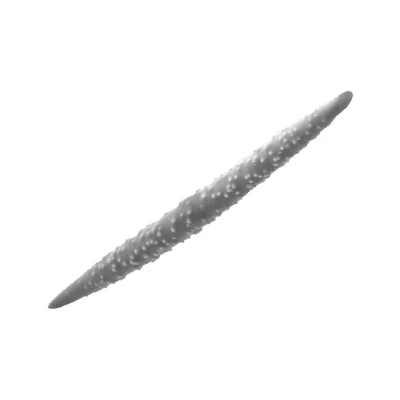
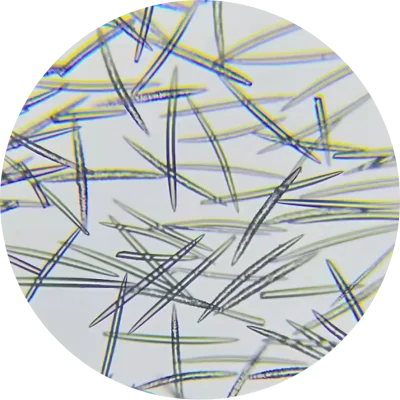
Spicules are tiny, needle-like structures that come from marine sponges. They’re natural. And they work as a mechanical delivery system — think of them as microscopic shuttle buses for your active ingredients. The name comes from the Latin word spiculum, which basically means “little point” or “tiny dart.”
Unlike some chemical penetration enhancers (which can irritate or mess up the skin barrier over time), spicules work physically. They poke tiny, temporary holes, then get out of the way.
How Do Spicules Actually Work on Skin?
You’ve probably heard of microneedling — the in-office treatment with a little roller full of needles. Spicules are like a much gentler, DIY-friendly version. No roller, no pain (well, almost none), no appointment needed.
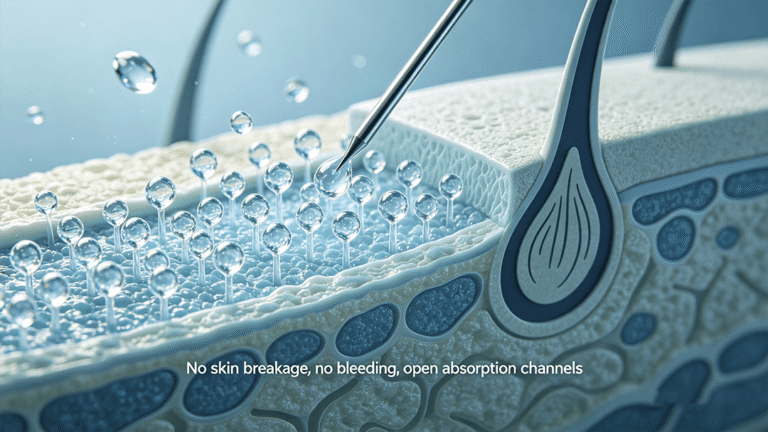
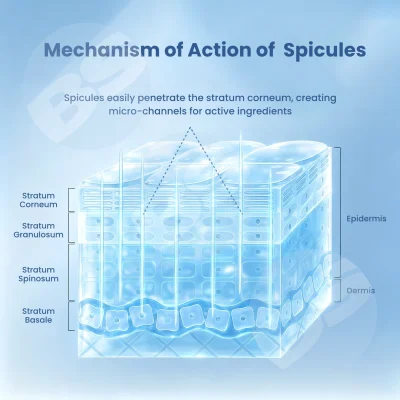
When you put a spicule serum on the skin, those microscopic “needles” push into the top layer of the epidermis. They create micro-channels — super tiny openings — that let your actives (hyaluronic acid, peptides, vitamin C, you name it) slip past the skin’s defenses and get down where they can actually do some good.
Here’s what’s happening step by step, in plain English:
Micro-channels open up – Spicules gently pierce the barrier. No bleeding. No real damage.
Better absorption, real results – Anything you apply afterward (or in the same serum) sinks in deeper. That means your expensive actives actually work.
Natural exfoliation boost – Your skin treats the spicules like little splinters and pushes them out. That whole process speeds up cell turnover. Instead of the usual 28‑day cycle, things move faster.
Oh, and one more thing. Because the skin sees those tiny micro-punctures as “mild injury,” it kicks into repair mode. More collagen. More elastin. Faster renewal. All without a single needle stick.
What Your Clients Actually Get Out of This
After a couple months of using a well‑made spicule serum, your customers (and their customers) will see:
Smaller-looking pores
A more even, brighter skin tone
Fewer fine lines and wrinkles
Smoother overall texture
From a product development angle, spicules give you something most competitors don’t have. You’re solving the root problem — poor penetration — instead of just slapping more actives into a formula.
How to Use Spicule Serums the Right Way
If you’re advising clients or writing instructions, here’s the straight scoop.
When to apply
Nighttime only. Cleanse first, then apply the spicule serum. Daytime use isn’t a great idea because UV and makeup can mess with those micro‑channels.
How to apply
Pat it onto the skin. Then gently massage in circles. That helps the spicules “grab” onto the skin. Avoid the eye area — no need to tempt fate.
What to expect
It may tingle or feel a little prickly. That’s normal. That’s the spicules doing their job. If it stings like crazy, something’s wrong. But mild sensation? Good sign.
Don’t layer with harsh actives
Most spicule serums already have their own actives built in. So on spicule nights, skip the strong stuff — no high‑dose vitamin C, no aggressive retinol, no heavy AHA/BHA. Just a plain, gentle moisturizer on top.
Quick Safety Note for Formulators
Processed correctly with the right particle size, spicules are safe for cosmetic use. They stay in the very top layer of the epidermis and naturally shed within a few days to a week. For US and European markets, they’re treated as physical exfoliants and mechanical penetration enhancers. Just make sure your supplier provides full safety data and particle size specs.
Bottom Line
You can spend a fortune on headline‑grabbing actives. But if they can’t get past the skin barrier, you’re just making expensive lotion. Spicules fix that — without lasers, without needles, without scaring off customers.
For B2B brands targeting serious, results‑driven buyers in the US and Europe, spicule technology gives you:
Formulas that actually deliver on their promises
A unique marine‑biotech story that’s easy to market
Real, visible results that keep people coming back
If you’re working on your next high‑performance serum, don’t sleep on spicules and contact us for Free Samples.
Contact Us!