How to Use Hydrolyzed Sponge: Formulation Guide for R&D Professionals

Hydrolyzed Sponge—also known as Sponge Micro-needles or Sponge Spicule Powder—is a natural cosmetic ingredient derived from freshwater sponges. Valued for its gentle exfoliating, penetration-enhancing, and anti-aging properties, it has gained significant attention among cosmetic formulators. Unlike harsh physical scrubs or chemical peels, Hydrolyzed Sponge offers a mild yet effective solution for developing high-performance skincare products—from acne-fighting serums to anti-aging creams.
This guide is specifically designed for cosmetic R&D professionals. It covers the ingredient’s origin, mechanism of action, precise formulation parameters, compatibility tips, and regulatory considerations—helping you seamlessly integrate Hydrolyzed Sponge into your next product line.

What is Hydrolyzed Sponge (Sponge Spicules) for Cosmetics?

To effectively utilize Hydrolyzed Sponge in formulation development, it is essential to understand its core characteristics and production process—key details that distinguish high-quality raw materials from inferior ones.
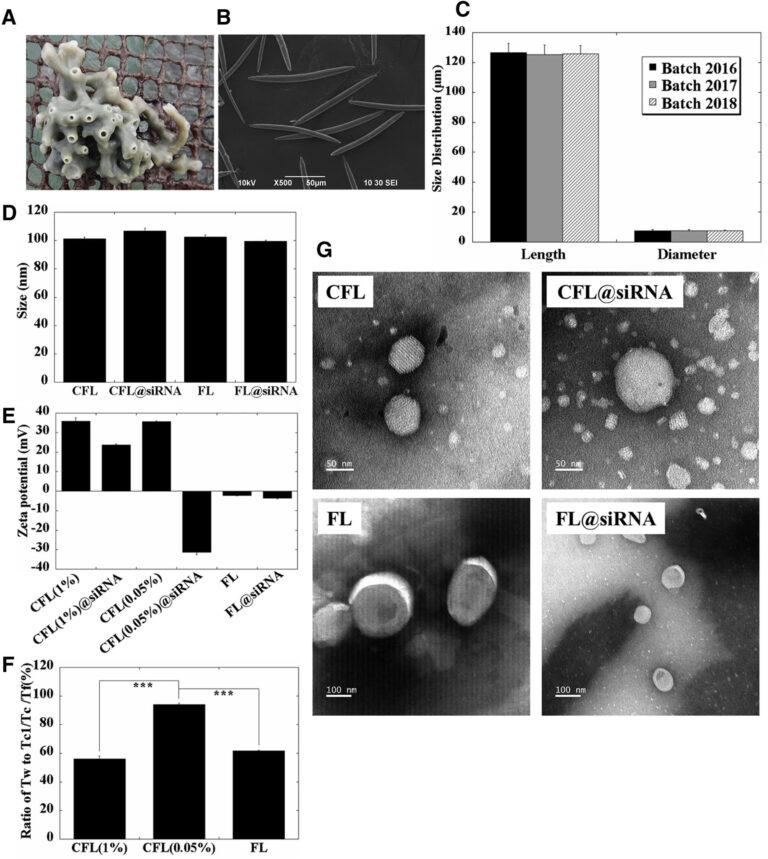
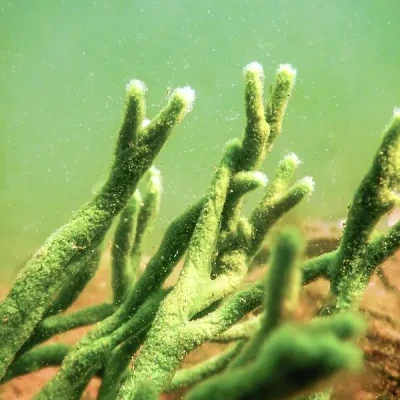
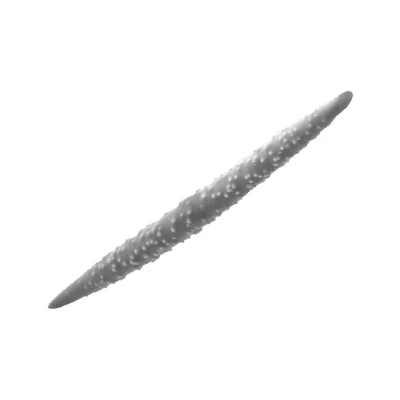
Hydrolyzed Sponge is derived from freshwater sponges (primarily Spongilla lacustris). Its skeletal structure consists of siliceous spicules: tiny needle-like crystals made of amorphous silica. These spicules form the foundation of the ingredient’s skincare efficacy, and their unique morphology enables both physical and biological effects on the skin.
The production of cosmetic-grade Hydrolyzed Sponge involves six key steps:

  1. Harvesting & Cleaning: Freshwater sponges are collected from natural habitats and thoroughly cleaned to remove sediment, plant debris, and other impurities.

  2. Hydrolysis Treatment: The organic matrix of the sponge is broken down through hydrolysis, isolating the pure siliceous spicules.

  3. Purification: Residual proteins, lipids, and other contaminants are removed to ensure raw material purity.

  4. Sterilization: Typically achieved through gamma-ray irradiation or high-pressure steam sterilization to meet cosmetic safety standards.

  5. Crushing & Classification: Precision sieving yields a uniform particle size distribution—critical for formulation consistency.

  6. Quality Testing: Rigorous verification of particle size distribution, purity, and biocompatibility ensures batch-to-batch stability.

The final product is a fine white to off-white powder, with spicule lengths ranging from 100 to 300 microns—each size tailored to specific formulation goals across different product categories.

How Does Hydrolyzed Sponge Work in Cosmetics?

For R&D professionals, a deep understanding of the mechanism of action is key to optimizing formulation efficacy and avoiding common pitfalls. Hydrolyzed Sponge works through three synergistic mechanisms, all while remaining gentle on the skin barrier—a core advantage over traditional exfoliating ingredients.
Physical Micro-Exfoliation:
The tiny needle-like spicules gently abrade the stratum corneum. They remove dead skin cells and unclog pores without damaging the viable epidermal layer. Unlike large, irregular physical scrub particles, their uniform, fine texture minimizes irritation and reduces the risk of skin micro-tears.
 
Transdermal Penetration Enhancement:
Spicules form microchannels in the stratum corneum, temporarily boosting skin permeability. This lets active ingredients (like retinol, peptides, and vitamin C) penetrate deeper into the dermis, enhancing their efficacy. This mechanism proves especially valuable for anti-aging and brightening products, where deep penetration is critical.
 
Collagen Stimulation:
The spicules’ mild physical stimulation triggers a gentle wound-healing response in the dermis. This prompts fibroblasts to produce more collagen and elastin. Long-term use improves skin elasticity, reduces fine lines, and fades acne scars or hyperpigmentation—making hydrolyzed sponge a versatile anti-aging ingredient.

Sponge Spicule Benefits for Cosmetic Formulations

The unique combination of properties offered by Hydrolyzed Sponge makes it suitable for a wide range of cosmetic products. For R&D teams, these advantages translate into innovative formulations that balance efficacy with consumer-friendly attributes (gentle, non-irritating, suitable for most skin types):
Key AdvantageSpecific BenefitsIdeal Applications
Gentle ExfoliationEffectively removes dead skin cells without redness, dryness, or irritationSensitive skin formulas; alternative to high-concentration AHAs/BHAs or harsh scrubs
Pore RefiningUnclogs pores, reduces sebum buildup, minimizes appearance of enlarged poresOily skin and acne-prone products
Enhanced Active DeliveryImproves penetration of other active ingredients; reduces need for high concentrations that may cause irritationHigh-performance serums (anti-aging, brightening)
Anti-Aging & Scar ImprovementStimulates collagen production; improves fine lines, wrinkles, and acne scar appearanceAnti-aging creams, scar repair treatments
Biocompatibility & SafetyNaturally derived, non-toxic, non-sensitizing; excellent compatibility with human skinFormulations targeting global regulatory compliance

Cosmetic Applications & Recommended Usage Levels

Hydrolyzed Sponge is highly versatile and can be incorporated into various cosmetic product types, from serums to masks. Below are detailed application scenarios, recommended usage levels, and formulation tips for R&D professionals aiming to optimize efficacy and stability.

1. Exfoliating Products (Scrubs, Exfoliants, Cleansers)
Ideal for gentle exfoliation formulations, Hydrolyzed Sponge can replace harsh scrubbing particles (such as walnut shell powder or plastic microbeads), offering a milder skincare experience.
Product Type Recommended Usage Formulation Tips
Leave-on Scrubs/Peels 45% – 75% For sensitive skin, start at 45% and conduct irritation testing
Rinse-off Cleansers 10% – 20% For sensitive skin, start at 10% to ensure comfort during use
2. Anti-Aging Products (Serums, Creams, Eye Creams)
In anti-aging formulations, Hydrolyzed Sponge enhances collagen production and boosts the penetration of other active ingredients (such as retinol, hyaluronic acid, and peptides).
Product Type Recommended Usage Formulation Tips
Serums (lightweight) 0.8% – 2% Pair with hyaluronic acid to mitigate any slight dryness
Creams/Eye Creams (rich texture) 2% – 5% Synergize with moisturizing ingredients for enhanced overall efficacy
3. Acne Products (Serums, Spot Treatments, Masks)
For acne-prone skin, Hydrolyzed Sponge helps unclog pores, reduce inflammation, and accelerate blemish healing.
Product Type Recommended Usage Formulation Tips
Acne Serums/Spot Treatments 1% – 3% Avoid combining with high-concentration benzoyl peroxide (≥5%) or salicylic acid (≥2%)
Acne Masks 1% – 3% Pair with niacinamide or tea tree oil for synergistic acne-fighting effects
4. Penetration-Enhancing Formulations (Carriers, Primers)
As a penetration enhancer, Hydrolyzed Sponge can be added to booster serums or ingredient carriers to improve the efficacy of subsequent skincare products.
Product Type Recommended Usage Formulation Tips
Booster Serums/Ingredient Carriers 0.5% – 1% This low concentration is sufficient to create micro-channels without altering product texture or sensory feel

Essential Formulation Tips for R&D Professionals

To ensure formulation stability, efficacy, and safety, follow these key techniques when working with Hydrolyzed Sponge. These details effectively address common challenges faced by R&D teams, such as clumping, irritation, or shortened shelf life.
1. Particle Size Selection
Choose spicule length based on your formulation goals: 100 microns (mild exfoliation, sensitive skin), 200 microns (balanced exfoliation/penetration, universal), 300 microns (deep exfoliation, anti-aging/acne products). Avoid mixing particle sizes to prevent uneven texture and irritation.
2. Pre-Treatment and Mixing
Always pre-hydrate hydrolyzed sponge powder (sponge spicule powder) before adding it to formulations to prevent clumping. Mix the powder with water or glycerin at a 1:2 ratio. Stir for 5–10 minutes until fully hydrated. Then, gradually blend the hydrated mixture into the product matrix (serums, creams, gels) while stirring continuously. This step ensures the quality and efficacy of Spicule Skincare Products.
3. pH Control
Hydrolyzed sponge works best at a pH of 4.5–7.0. Beyond this range, spicules may degrade, reducing efficacy or causing irritation. After adding hydrolyzed sponge, test and adjust the formulation’s pH. Use citric acid to lower pH or triethanolamine to raise it.
4. Compatibility and Ingredients to Avoid
Hydrolyzed sponge pairs well with most cosmetic ingredients: moisturizers, emollients, emulsifiers, and most actives. Avoid high-concentration acids (AHAs/BHAs ≥5%), strong oxidants (e.g., hydrogen peroxide), or irritating surfactants (e.g., sodium lauryl sulfate). These can damage spicules or increase irritation risk.
5. Preservation and Shelf Life
In water-based formulations, hydrolyzed sponge can encourage microbial growth. Add 0.5%–1% of a broad-spectrum preservative (e.g., phenoxyethanol, ethylhexylglycerin) to extend shelf life. Store the final product in a cool, dry place away from direct sunlight to prevent spicule degradation.
6. Stability Testing
Conduct stability tests (4℃, 25℃, 45℃, and freeze-thaw cycles) to ensure the formulation maintains texture, efficacy, and safety. Watch for particle sedimentation—common in low-viscosity formulations. Add thickeners (e.g., carbomer, xanthan gum) if needed to adjust viscosity.

Safety and Compliance in the Global Market

For R&D teams targeting global markets, compliance with regional cosmetic regulations is essential. Hydrolyzed Sponge is classified as a natural cosmetic ingredient and is approved for use in the EU, US, Asia, and most other regions—provided it meets the following standards:
Purity Requirements
  • Siliceous spicule content: ≥95%

  • No residual proteins

  • Heavy metals: Lead, mercury ≤1 ppm

  • Microbial limits: Total aerobic count ≤100 CFU/g

Sterilization Requirements

Must undergo effective sterilization to meet cosmetic safety standards. Gamma-ray irradiation is the most common and effective method; high-pressure steam sterilization is also acceptable.

Labeling Guidelines
  • EU: Label as “Hydrolyzed Sponge” or “Spongilla Lacustris Extract”

  • US: List as “Hydrolyzed Sponge” in ingredients

  • Products for sensitive skin: Consider adding: “Suitable for sensitive skin; patch test recommended”

Safety Testing Requirements

Complete skin irritation, sensitization, and cytotoxicity testing is required to confirm product safety. Hydrolyzed Sponge has been shown to be non-irritating at recommended usage levels, but systematic testing remains a necessary part of regulatory compliance.

Common Formulation Mistakes and Avoidance Methods

Even experienced R&D teams can encounter challenges when working with new ingredients. Below are the most common pitfalls when formulating with Hydrolyzed Sponge and their solutions:
Common Pitfall Primary Cause Solution
Clumping Adding dry powder directly to formulation Always pre-hydrate with water or glycerin before addition
Irritation Excessive concentration or incompatible ingredient combinations Reduce usage level; avoid incompatible ingredients; conduct sensitive skin panel testing
Reduced Efficacy Improper pH, excessive processing temperature, spicule degradation Maintain pH 4.5–7.0; add Hydrolyzed Sponge after cooling formulation to below 40°C; use fresh, high-quality raw material
Sedimentation Insufficient formulation viscosity Add thickeners (e.g., Xanthan Gum, Carbomer) to increase system viscosity

Conclusion

Hydrolyzed Sponge is a versatile natural ingredient that offers R&D professionals a gentle yet effective solution for developing high-performance skincare products. Its unique mechanism of action—combining micro-exfoliation, penetration enhancement, and collagen stimulation—makes it suitable for a wide range of formulation types, from exfoliators to anti-aging and acne treatments.
By following the precise formulation parameters, compatibility techniques, and regulatory guidelines provided in this guide, R&D professionals can seamlessly integrate Hydrolyzed Sponge into their product lines, creating innovative formulations that stand out in today’s competitive cosmetics market.

For R&D teams seeking to further optimize their formulations, we recommend:

  • Fine-tuning spicule particle size and usage levels based on specific product objectives

  • Prioritizing thorough pre-treatment and stability testing

  • Ensuring batch-to-batch consistency and product uniformity

With its excellent biocompatibility, proven efficacy, and global regulatory acceptance, Hydrolyzed Sponge is poised to remain a core ingredient in cosmetic R&D for years to come.

About This Guide: This document is specifically prepared for cosmetic formulation R&D professionals, based on the latest scientific research and industry best practices. For further technical consultation or sample support, please contact us.

Similar Posts

Leave a Reply

Your email address will not be published. Required fields are marked *