
Sponge Spicule Wiki
Explore the unique structure, chemical composition, and physical properties of sponge spicules through scientific analysis and microscopic characterization.
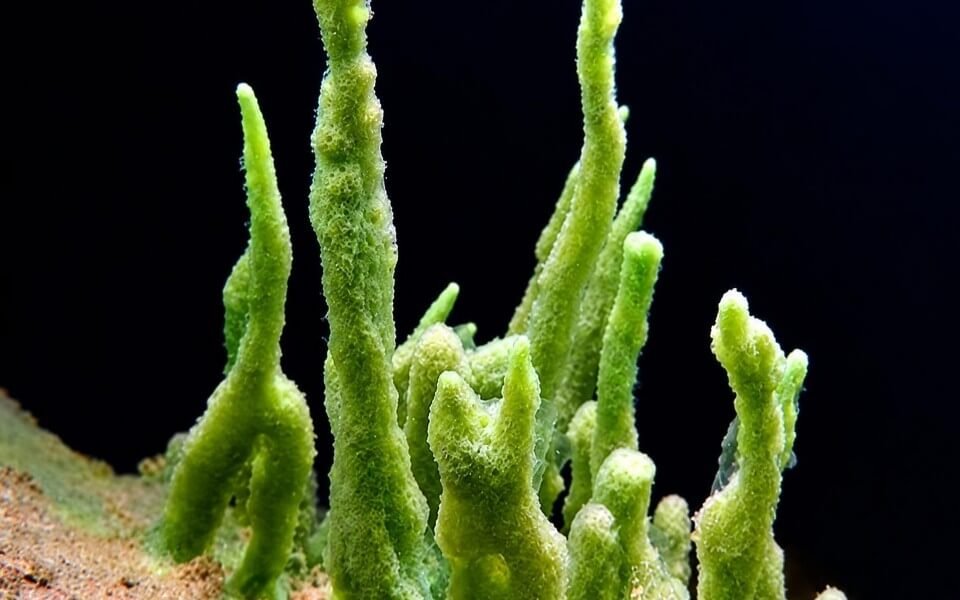
Spicule Structure & Diversity
Sponges (Porifera) are among the oldest multicellular animals on Earth. BS conducts in-depth research on sponge biological characteristics to select the optimal spicules—from morphological classification to global habitat distribution, every step is scientifically grounded.
Four Spicule Morphological Types
Different spicule morphologies vary in mechanical stimulation effect and skin contact area. BS selects the appropriate morphology based on application scenarios.
Oxea · Spindle-shaped
Tapered at both ends; the most common form with excellent mechanical stimulation effect.
Strongyle · Rod-shaped
Cylindrical with rounded ends; gentler stimulation, suitable for sensitive skin.
Tylote · Club-shaped
Knobbed at both ends; larger surface contact area, enhancing absorption rate.
Microsclere · Small Spicules
Supporting the larger spicules, providing structural stability.
Sponge Species Under Research
| Species | Environment | Characteristics |
|---|---|---|
| Freshwater Sponge Spongilla | Freshwater lakes & rivers | Core raw material sponge, rich in siliceous spicules |
| Freshwater Sponge Ephydatia | Freshwater environments | Multiple sizes of spindle-shaped spicules, ensuring research diversity |
| Marine Sponge Petrosia | Tropical & subtropical oceans | Marine siliceous sponge, used for special functional raw material research |
| Marine Sponge Chondrosia | Mediterranean coast | Rich in collagen-like components, used for skin regeneration research |
Global Habitat Distribution
| Region | Representative Species | Species Studied |
|---|---|---|
| Korean Freshwater | Spongilla lacustris | 3+ |
| Southeast Asian Marine | Petrosia corticata | 5+ |
| Mediterranean Coast | Chondrosia reniformis | 2+ |
| Tropical Pacific | Haliclona spp. | 4+ |
Four Major Technical Advantages of BS Sponge Spicules
From raw material selection to quality certification, every step is verifiable.
Stable Supply
Sufficient inventory maintained year-round, independent of season—stable supply all year.
Quality Consistency
Harvested sponges undergo 23-step refining to unify spicule size and purity.
Eco-friendly Production
Sponges are filter feeders; natural cultivation in clean waters coexists with the ecosystem.
Scalability
Core cultivation technology mastered; scalable to mass production as demand grows.
Unrefined Raw Material vs BS Spicules
From raw material to finished product, BS ensures high quality for every batch through standardized processes.
| Item | Unrefined Raw Material | BS Spicules |
|---|---|---|
| Supply Stability | Constrained by harvest season | ✓ 2-year inventory, year-round supply |
| Quality Consistency | High individual variation | ✓ Uniform via 23-step refining |
| Spicule Purity | High impurity content | ✓ 99%+ high purity |
| Safety Verification | Unverified | ✓ ISO certified + human trial |
| Supply Scalability | Limited natural resources | ✓ Core technology reserve — scalable |
BS spicules completed human trials at P&K Skin Clinical Research Center. N=52 human patch test obtained "non-irritating" determination; OECD TG standard cytotoxicity test IC50 > 5,000µg/ml, confirming excellent safety.